As Hurricane Beryl swirls in the Atlantic, Floridians are left wondering if they should stock up on snacks or start building an ark. It’s that time of year again when the weather turns into a dramatic soap opera, and everyone’s glued to their screens, waiting for the next plot twist. Will Beryl make landfall, or will it fizzle out like last year’s tropical storm?
With hurricane season in full swing, the stakes are high, and the suspense is real. Residents can’t help but check their weather apps more often than they check social media. So, what’s the scoop on Hurricane Beryl? Is it a potential beach party crasher or just a passing shower? Let’s dive into the latest forecasts and find out if Beryl’s got Florida in its sights or if it’s just blowing hot air.
Overview of Hurricane Beryl
Hurricane Beryl formed in the Atlantic, impacting the eastern seaboard. The storm regained strength, prompting concern among meteorologists and residents in Florida. Latest forecasts indicate that Beryl could change direction, potentially affecting landfall. Tracking data shows Beryl moving towards warmer waters, which may intensify the storm.
As it approaches, the National Hurricane Center alerts locals about possible impacts. The storm’s wind speeds reached 70 miles per hour, qualifying it as a Category 1 hurricane. Forecast models suggest that Beryl’s trajectory could shift; however, uncertainty remains a significant factor in planning responses.
Warnings about storm surges and heavy rainfall accompany the hurricane watch. Rainfall estimates may exceed four inches in some areas, increasing flood risks. Residents are encouraged to stay informed about evacuation orders and shelter availability. Local agencies prepare emergency services, emphasizing the importance of readiness.
Meteorologists emphasize the need for ongoing updates, as predictions can evolve. Potential impacts may vary from localized flooding to widespread power outages. Floridians are urged to review their emergency plans, ensuring they have supplies ready for severe weather conditions. Keeping updated with weather authorities is crucial as the situation develops.
Current Forecasts for Hurricane Beryl
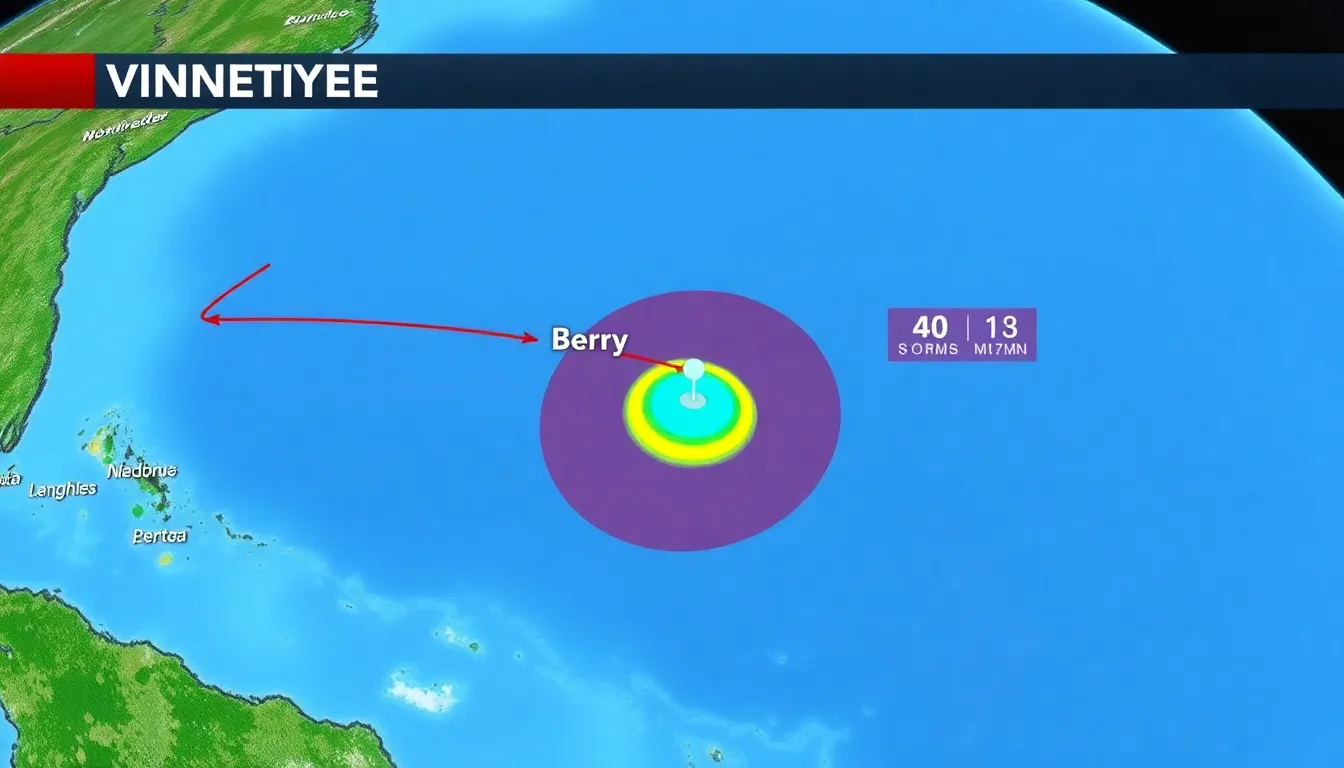
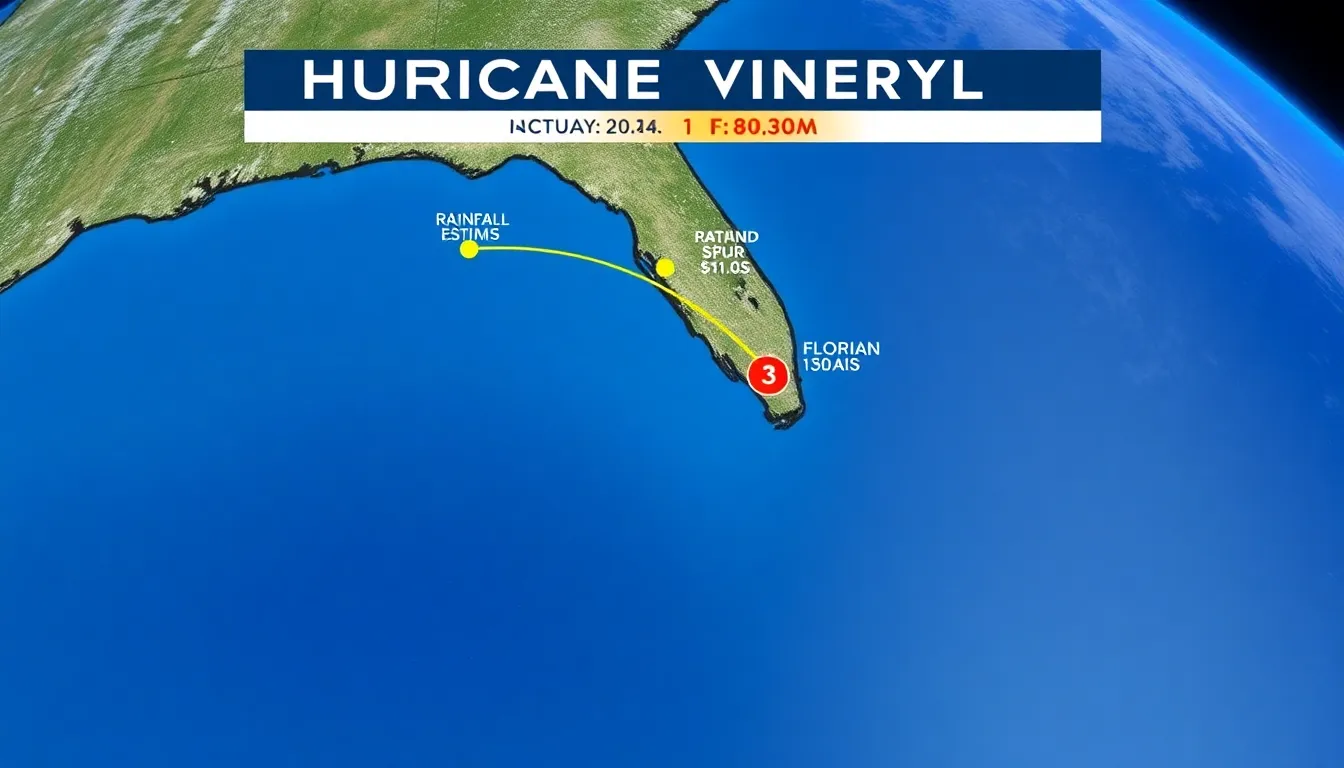
Hurricane Beryl approaches Florida, prompting heightened attention from residents and meteorologists. Forecasts provide critical insights into the storm’s potential impact and trajectory.
Tracking the Storm Path
Current tracking models show Beryl moving west-northwest at approximately 15 miles per hour. Meteorologists predict fluctuations in its track as it nears Florida. National Hurricane Center reports indicate that landfall could occur in the next 48 hours, with potential shifts affecting coastal regions. Areas along the eastern Gulf may experience the storm’s edge, causing ripple effects in local weather conditions. Monitoring advancements in Beryl’s path remains essential for residents making preparations.
Anticipated Storm Intensity
Beryl maintains status as a Category 1 hurricane, with maximum sustained winds recorded at 70 miles per hour. Predictions suggest intensification could occur as the system transitions over warmer waters. Rainfall estimates span between 4 to 8 inches in certain regions, increasing the likelihood of flash flooding. The potential for storm surges, exceeding 3 feet in some locations, presents additional risks. Residents must stay vigilant, as updated forecasts may alter assessments of the hurricane’s progression.
Potential Impact on Florida
Residents face uncertainty regarding Hurricane Beryl’s potential impact. Updates are crucial for understanding the storm’s trajectory and preparing appropriately.
Areas at Risk
Regions such as the eastern Gulf Coast and parts of central Florida experience heightened vulnerability. These areas may encounter significant wind gusts exceeding 70 miles per hour. Rapid rainfall accumulation above four inches can lead to flash flooding in urban settings. Beachfront communities might witness storm surges surpassing three feet, creating dangerous conditions. Meteorologists emphasize that local topography can influence flooding severity, with some locations more susceptible than others. Staying informed about specific risk zones helps residents gauge their vulnerability effectively.
Preparedness Tips for Residents
Residents should prioritize assembling emergency kits stocked with supplies, including water and non-perishable food. Emergency contact lists play a vital role in ensuring family members stay connected during storms. Securing property involves reinforcing windows and clearing debris from yards, which may become hazardous projectiles. Monitoring local news sources for evacuation orders helps residents react promptly. Checking in with neighbors supports community preparedness, as those facing mobility challenges may need assistance. Adhering to updated forecasts and responding to alerts enhances overall safety.
Historical Context of Hurricanes in Florida
Florida has experienced numerous hurricanes throughout its history, impacting various regions across the state. The Atlantic hurricane season runs from June to November, with the greatest frequency of storms typically occurring from August to October. Data shows that Florida faced over 130 hurricanes since 1851, with significant events like Hurricane Andrew in 1992 resulting in extensive damage and changes to building codes.
The 2004 hurricane season marked one of Florida’s most active years, featuring four hurricanes in six weeks. Charley, Frances, Ivan, and Jeanne strengthened awareness of hurricane preparedness among residents. Each storm illustrated the potential for devastating winds, storm surges, and flooding, emphasizing the importance of readiness.
Landfall locations also vary across the state. The western and eastern coasts both experience impacts, depending on the storm’s trajectory. Storm surges frequently accompany hurricanes, posing risks to coastal communities. Historical data indicates that the Gulf Coast is particularly vulnerable to stronger hurricane systems, leading to evacuation plans targeting high-risk areas.
Popularity for hurricane tracking has increased as technology evolved. Modern forecasting models provide real-time data, helping residents make informed decisions. Historical patterns assist meteorologists in predicting future storm behavior, allowing for better preparedness measures.
Throughout the decades, residents have faced the challenge of adapting to an ever-changing climate. Increased intensity and frequency of hurricanes raise concerns regarding future risks. Understanding Florida’s past storms remains vital for developing effective response strategies for upcoming hurricanes, such as Hurricane Beryl.