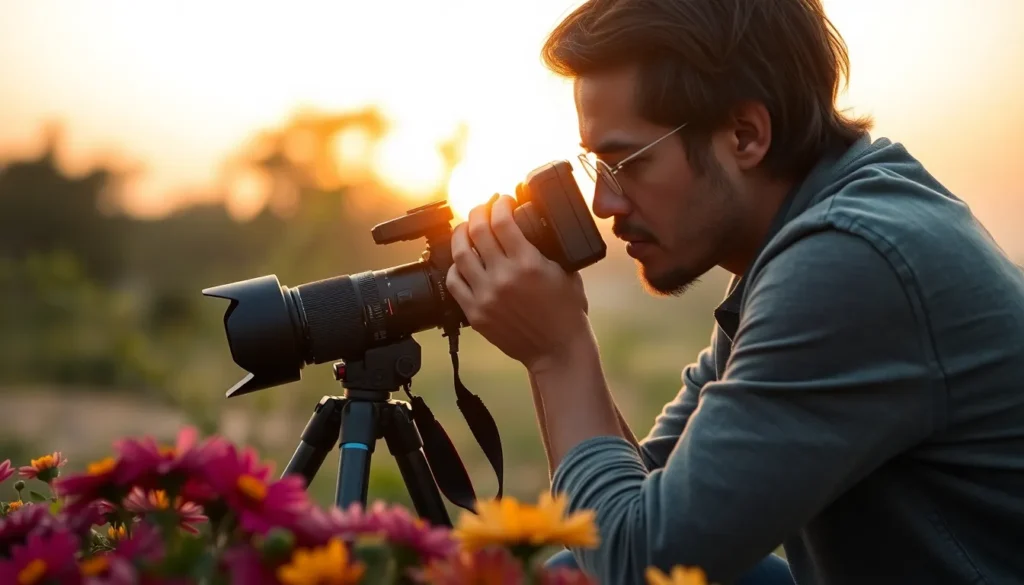
In the glamorous world of magazine photography, capturing the perfect shot can feel like trying to find a unicorn in a haystack. But fear not, aspiring shutterbugs! With the right tips and tricks, you can transform ordinary images into jaw-dropping visuals that make readers stop scrolling and start drooling.
Understanding Magazine Photography
Magazine photography involves capturing images that are not only visually stunning but also tell a story. It engages readers and elevates the overall aesthetic of the publication.
What Makes Magazine Photography Unique
Distinct from other photography forms, magazine photography emphasizes a balance between editorial and artistic elements. It requires a photographer to possess a keen understanding of target audiences and trends. Storytelling plays a pivotal role, as images must convey messages and evoke emotions. The choice of lighting, composition, and perspective greatly influences viewer perception. Ultimately, it’s about creating visuals that resonate with readers while fitting seamlessly into the magazine’s theme.
Key Elements of Successful Magazine Photos
Successful magazine photos hinge on several critical elements. Composition captures attention; framing subjects in interesting ways produces dynamic images. In addition, lighting significantly enhances mood; using natural or artificial sources greatly affects the photo’s ambiance. Color schemes also play a vital role; harmonious palettes attract the viewer’s eye and can provoke certain feelings. Lastly, attention to detail, including props and background settings, enriches the narrative. These combined factors create compelling visuals that stand out on every page.
Camera Gear and Equipment
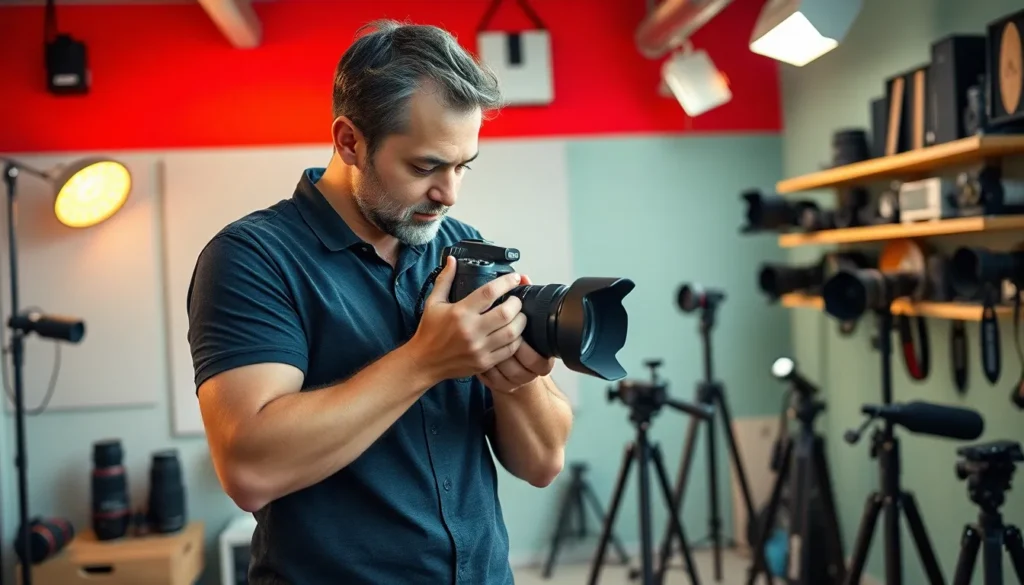
Selecting the right camera gear is vital for achieving outstanding magazine photography. Essential components enhance the ability to capture captivating images.
Essential Cameras for Magazine Photography
DSLR cameras offer versatility and high image quality, making them suitable for a variety of settings. Mirrorless cameras provide compact designs and advanced features, appealing to many photographers. Both options should include sensors with at least 20 megapixels to ensure detail. Professionals often favor full-frame cameras for their superior performance in low light. Brands like Canon, Nikon, and Sony lead in delivering reliable models that meet magazine photography demands.
Recommended Lenses and Accessories
Prime lenses excel in capturing sharp images and often perform well in low-light conditions. Focusing on a 50mm lens offers versatility for portrait and product photography. Zoom lenses provide flexibility for different scenes, allowing adjustments without changing equipment frequently. Accessories like polarizing filters enhance colors and reduce reflections, improving overall image quality. Additionally, tripods ensure stability, particularly during long exposures or in challenging lighting conditions.
Composition Techniques
Effective composition techniques enhance magazine photography, making images more visually appealing and meaningful. Mastering these techniques helps photographers create stunning visuals that captivate readers.
Rule of Thirds and Leading Lines
The rule of thirds divides an image into a 3×3 grid. Placing key elements along the grid lines or at their intersections enhances visual interest. This technique draws the viewer’s eye to focal points, creating balanced compositions. Leading lines guide viewers’ attention toward the subject, adding depth and perspective. Examples of leading lines include roads, paths, or architectural elements. Understanding and applying these techniques can elevate an image’s storytelling ability.
Balancing Subjects and Backgrounds
Successful magazine photography requires careful consideration of subjects and backgrounds. Keeping subjects distinct from the background maintains focus and clarity. Using depth of field effectively blurs distractions while highlighting the main subject. Color contrast also plays a pivotal role; vibrant subjects against muted backgrounds stand out more effectively. Photographers should consider the relationship between subjects and backgrounds to ensure harmony and coherence in images.
Lighting Tips
Lighting plays a vital role in magazine photography, influencing mood, texture, and overall visual appeal. Understanding the balance between natural and artificial light can significantly enhance image quality.
Natural Light vs. Artificial Light
Natural light creates soft, flattering images. Utilizing the golden hour provides warm tones, while overcast days offer diffused, even light. Artificial light offers versatility through studio setups. Using strobes or softboxes can produce controlled lighting conditions. Balancing these two types of light requires careful consideration of the subject and desired atmosphere. Choosing the right time of day or experimenting with different artificial sources optimizes the lighting setup.
Using Reflectors and Diffusers
Reflectors efficiently bounce light back onto subjects, reducing harsh shadows. Silver or white surfaces brighten up portraits, while gold reflectors add warmth. Diffusers soften direct light, creating a more even effect. A simple fabric sheet or commercial diffuser can significantly enhance light quality. Positioning reflectors and diffusers strategically enhances the details in a photograph. Adjusting these accessories according to light conditions ensures a polished final shot, emphasizing the desired mood.
Post-Processing Strategies
Post-processing plays a crucial role in magazine photography, allowing photographers to enhance their images and achieve professional results.
Editing Software Options
Various editing software options cater to different skill levels and needs. Adobe Lightroom excels in photo organization and batch editing, making it popular among professionals. Adobe Photoshop offers advanced editing capabilities, ideal for retouching and compositing. For those seeking free alternatives, GIMP and Darktable provide powerful tools without cost. Capture One stands out for its color grading and tethering features, appealing to many studio photographers. Each software option serves distinct functions, making it important to choose based on individual requirements.
Essential Post-Processing Techniques
Applying essential post-processing techniques elevates the quality of magazine images. Adjusting exposure and contrast improves overall visibility and dynamic range. Color correction ensures that hues are true to life, enhancing visual appeal. Cropping helps to refine composition, removing distractions and guiding viewer focus. In addition, sharpening highlights fine details, adding clarity. Noise reduction addresses graininess, especially in low-light images. Utilizing these techniques transforms good photographs into striking visuals that resonate with an audience and align with magazine standards.
Mastering magazine photography requires a blend of technical skill and artistic vision. By understanding the nuances of composition lighting and storytelling photographers can create images that not only captivate but also resonate with readers. The right equipment plays a vital role in achieving high-quality results while post-processing techniques can elevate photographs from good to exceptional.
With practice and dedication aspiring photographers can transform their work into striking visuals that enhance any magazine’s aesthetic. Embracing these tips will help them capture the essence of their subjects and tell compelling stories through their lens.