
In a world where playlists reign supreme and streaming services dominate, music magazines still hold a special place in the hearts of die-hard fans. These glossy pages are like treasure maps leading to the hidden gems of the music industry, offering exclusive interviews, behind-the-scenes stories, and the latest gossip that makes fans feel like insiders.
Overview Of Music Magazines
Music magazines play a significant role in the music industry, offering fans various insights into their favorite artists and genres. These publications provide exclusive interviews that reveal personal stories from musicians. Fans often discover behind-the-scenes access to album recordings and concert preparations.
Dedicated editors curate content around emerging trends, news, and reviews, highlighting both mainstream and indie artists. Features on music history and genre evolution deepen readers’ understanding of their beloved music. Many magazines publish detailed reviews of albums and concerts, equipping fans with perspectives before making purchases or attending shows.
Readers often appreciate the glossy visuals and high-quality photography that capture the essence of live performances. Digital platforms have also emerged, allowing magazines to reach wider audiences through social media and websites. The combination of print and online content allows for diverse engagement with fans.
Publication frequency varies among music magazines, with some releasing monthly issues and others publishing quarterly. Annual specials typically highlight best albums or artists of the year, creating a collectible aspect for fans.
Advertising remains a critical revenue source for these magazines, with brand partnerships offering promotional opportunities for both advertisers and artists. Engaging articles and vibrant layouts work together to attract new readers while retaining loyal subscribers.
Types Of Music Magazines
Music magazines come in various formats, each catering to different audiences and preferences. Understanding these types helps fans choose the right sources for their music insights.
Print Magazines
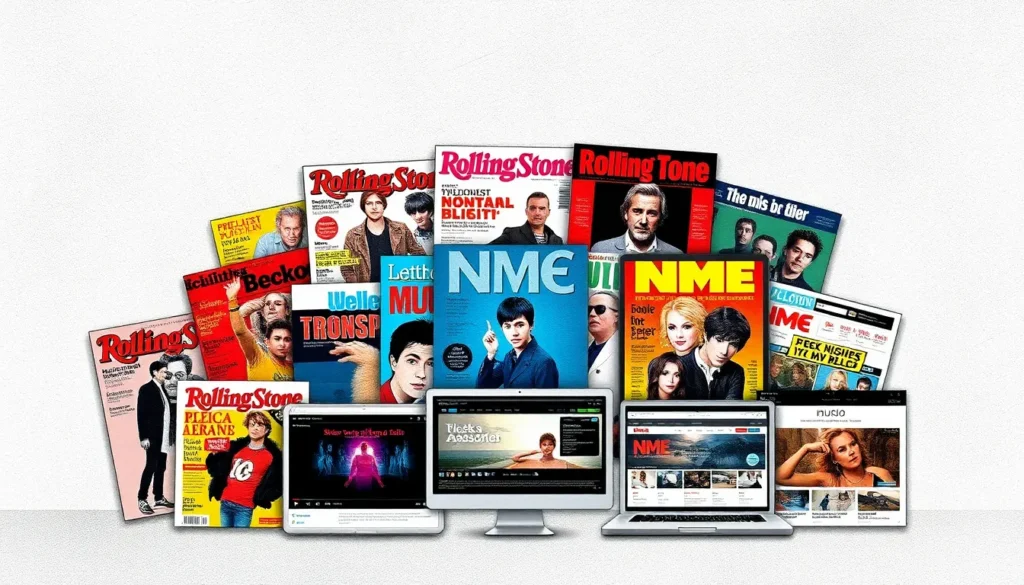
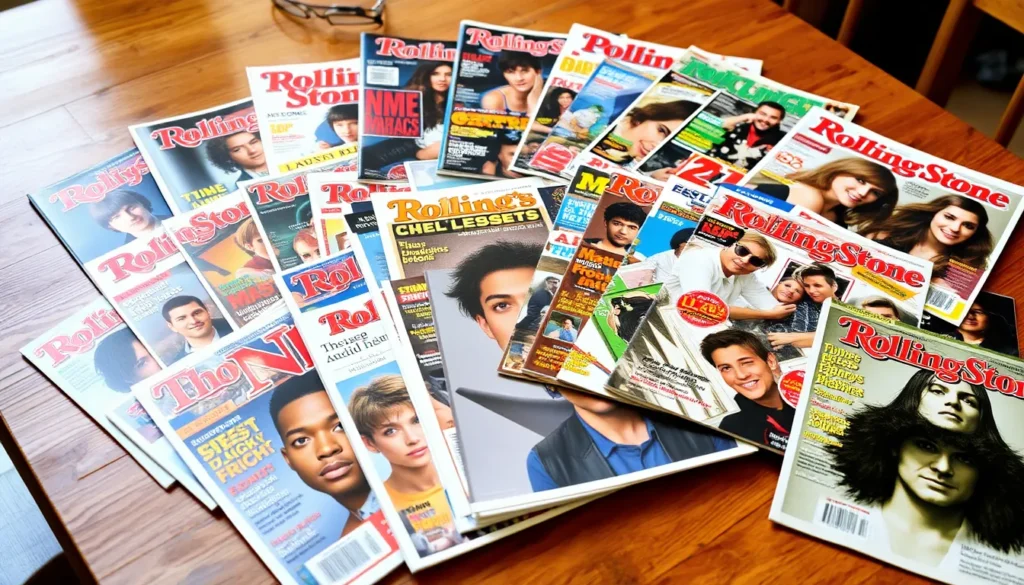
Print magazines provide tangible content, offering a nostalgic experience for readers. They feature in-depth interviews, artist profiles, and album reviews, engaging dedicated fans. Monthly and quarterly publications often highlight both mainstream and indie artists, ensuring diverse coverage. Visually appealing layouts, combined with high-quality images, add to their allure. Popular examples include Rolling Stone and NME, both established names in music journalism. Enthusiasts appreciate the tactile nature of print, finding it enriching to hold and browse through physical magazines.
Online Magazines
Online magazines cater to an internet-savvy audience, delivering up-to-date information instantly. These platforms offer multimedia content, including videos, podcasts, and interactive elements, enhancing user experience. Frequent updates keep readers informed about the latest trends, album releases, and concert news. Examples like Pitchfork and Billboard are recognized for their thorough coverage and engaging articles. Additionally, social media integration allows for easy sharing and interaction, drawing in a wider audience. Online magazines thrive on immediacy, attracting those who seek real-time music insights.
Popular Music Magazines
Music magazines continue to captivate fans with their unique content. The following highlights showcase three influential publications in the music industry.
Rolling Stone
Rolling Stone remains an iconic publication known for its in-depth articles and cultural commentary. Its content often blends music with politics and social issues, making it relevant beyond mere entertainment. The magazine features exclusive interviews with top artists, providing insights into their creative processes. Recent issues showcase comprehensive reviews of albums and insightful critiques of live performances. Readers appreciate the high-quality photography that accompanies these stories, enhancing the overall visual experience. Rolling Stone’s long-standing reputation solidifies its position as a staple in music journalism.
Billboard
Billboard specializes in chart rankings, making it essential for music industry professionals and fans alike. This magazine offers data-driven insights into sales, streams, and radio play, helping define trends in music consumption. Regularly updated charts like the Billboard Hot 100 highlight the most popular songs each week, allowing readers to track emerging hits. Feature articles delve into artist achievements, industry analysis, and the latest music releases. With a strong online presence, Billboard engages audiences through social media, providing real-time updates and fostering community interactions.
NME
NME, originally known as New Musical Express, is celebrated for its commitment to alternative music and emerging artists. This publication features a mix of in-depth interviews and reviews that resonate with its youthful audience. NME often covers underground bands alongside mainstream acts, showcasing a diverse range of musical styles. Articles frequently explore the cultural impact of music, addressing critical issues within the industry. With a robust digital platform, NME extends its reach via multimedia content, engaging fans through podcasts and interactive features. The magazine’s enduring popularity reflects its understanding of evolving music landscapes.
The Role Of Music Magazines In The Industry
Music magazines significantly impact the industry by providing vital resources for fans and professionals alike. Such publications offer exclusive interviews, behind-the-scenes insights, and essential gossip that enrich the listener’s experience. They serve as platforms for artists to share personal stories, often detailing experiences related to album recordings and concert preparations.
Editors in these magazines curate content that aligns with emerging trends and industry news. Covering a broad spectrum, they showcase both mainstream and independent artists, reflecting the diverse musical landscape. High-quality visuals and photography enhance the reader’s journey, making each publication visually appealing.
Digital platforms have broadened the reach of music magazines, allowing for instant updates on trends and artist releases. While print magazines like Rolling Stone and NME cater to dedicated fans with in-depth articles, online publications like Pitchfork and Billboard attract a tech-savvy audience. Multimedia content keeps readers engaged and informed about their favorite musicians.
Advertising remains crucial for revenue generation, with engaging and vibrant layouts designed to draw in new readers while retaining loyal subscribers. The blend of print and digital formats ensures that music magazines adapt to the changing landscape of how fans consume content.
The distinct roles of influential publications further cement the significance of music magazines. Rolling Stone excels in cultural commentary that intertwines music and social issues. Billboard focuses on chart rankings and essential data, catering to industry insiders. NME highlights underground movements while also covering mainstream acts. Each magazine enriches the music experience, playing a vital role in shaping how music is discussed and appreciated.
Music magazines continue to thrive by offering unique insights and experiences that resonate with fans. Their blend of exclusive content and vibrant visuals creates an engaging platform for discovering both mainstream and indie artists. As the music industry evolves, these publications adapt by embracing digital formats while maintaining the charm of print.
They serve not only as a source of entertainment but also as essential tools for understanding the cultural landscape of music. By catering to diverse audiences and staying attuned to emerging trends, music magazines remain a vital part of the music experience, enriching the connection between artists and their fans.