
When diving into the fascinating world of medical terminology, few terms pack as much punch as “myel/o.” This little gem, derived from the Greek word for “marrow,” isn’t just a fancy word to impress your friends at dinner parties; it’s a gateway to understanding the intricate workings of the nervous system and the blood.
Overview of Myel/o Medical Term
The prefix “myel/o” refers to the bone marrow and spinal cord. In medical terminology, this prefix plays a crucial role in various terms related to hematology and neurology. For instance, myelitis indicates inflammation of the spinal cord, highlighting its relevance in neurological conditions.
Another example is myelogenous, which pertains to the production of blood cells in the bone marrow. Understanding this term enriches comprehension of blood-related disorders such as leukemia. Furthermore, myelopathy describes a disorder affecting the spinal cord, emphasizing the connection between myel/o and spinal health.
Doctors often use these terms to diagnose and treat conditions linked to the nervous system and the production of blood cells. Myel/o enhances clarity in communication within the medical field, allowing healthcare professionals to convey complex information concisely.
Knowledge of prefixes like myel/o serves as a foundation for medical vocabulary, elevating one’s ability to understand medical literature and patient diagnoses. Mastery of such terms empowers individuals to engage meaningfully in healthcare discussions.
Definition and Etymology
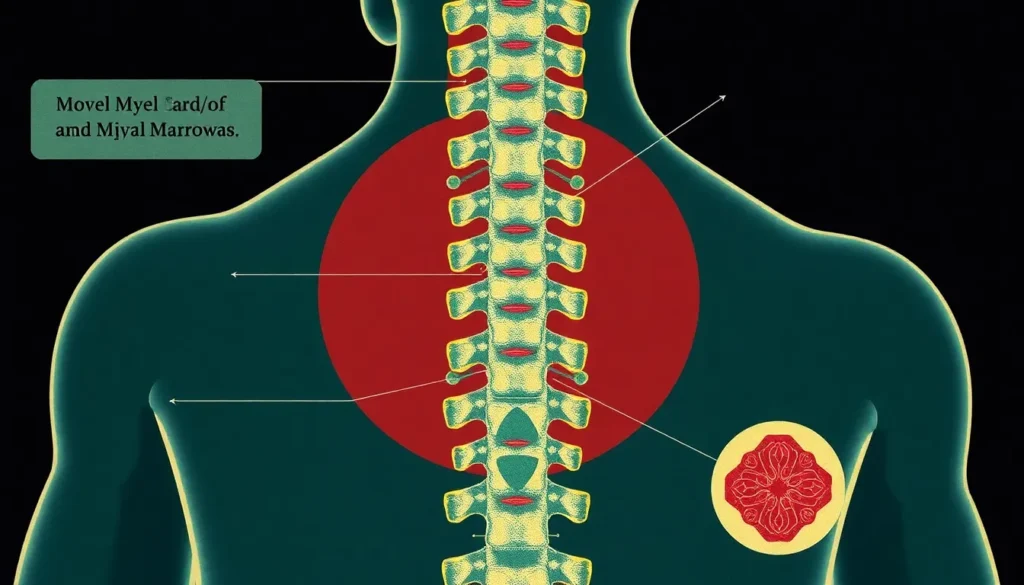
The term “myel/o” derives from the Greek word “myelos,” which translates to “marrow.” This root plays a critical role in understanding various medical terms associated with the blood and nervous system.
Origin of the Term
“myel/o” traces its origins back to ancient Greek, specifically from the word “myelos.” Within the context of medicine, this term emphasizes the dual meaning of both bone marrow and spinal cord. Its historical roots reflect the importance of the central nervous system and hematologic functions. Linguistic evolution kept the original meaning intact, ensuring its relevance in contemporary medical terminology.
Variations in Usage
This prefix appears in several medical terms, highlighting its versatility across disciplines. “Myelitis” refers to inflammation of the spinal cord, while “myelogenous” indicates the process of blood cell production originating in the bone marrow. Furthermore, conditions like “myelopathy” focus on spinal cord disorders. These variations show how “myel/o” connects to crucial aspects of health, aiding in accurate diagnosis and treatment. Understanding its applications enhances one’s ability to navigate healthcare conversations effectively.
Clinical Significance of Myel/o
Understanding “myel/o” uncovers its pivotal role in medicine, especially regarding the nervous system and blood disorders. Numerous medical terms utilize this prefix, underscoring its extensive applications.
Applications in Medicine
“Myel/o” plays a significant role in diagnosing and treating various conditions. Myelitis, for example, refers to inflammation of the spinal cord, leading to neurological dysfunction. Myelogenous conditions relate to blood cell formation in the bone marrow, impacting diseases like leukemia. Disorders such as myelopathy indicate spinal cord issues that can result in mobility changes. Clinical settings incorporate these terms regularly, highlighting their importance for healthcare professionals.
Importance in Diagnosis
Diagnosis relies heavily on understanding “myel/o” and its related terms. Clarity in terms like myelitis and myelopathy assists healthcare providers in formulating accurate assessments. By pinpointing specific conditions, doctors can develop targeted treatment plans that address underlying issues. Investigations into myelogenous processes provide valuable insight into hematological disorders, facilitating early intervention. Familiarity with these terms enhances communication between medical staff and patients, fostering informed healthcare interactions.
Related Terms and Concepts
Understanding terms related to “myel/o” enhances knowledge of medical conditions involving the marrow and spinal cord.
Myelitis
Myelitis refers to inflammation of the spinal cord, often resulting from infections, autoimmune diseases, or other factors. Symptoms include pain, weakness, and sensory changes. Acute transverse myelitis, for example, is a specific type that affects both sides of the spinal cord, leading to sudden neurological deficits. Timely diagnosis is key for effective treatment, which may involve corticosteroids and supportive care.
Myelopathy
Myelopathy denotes a neurological condition arising from spinal cord dysfunction. Various causes exist, such as degenerative diseases, trauma, or stenosis. Individuals experience symptoms like difficulty walking, coordination problems, and bladder dysfunction. Treatment strategies depend on the underlying cause, ranging from physical therapy to surgical interventions aimed at relieving pressure on the spinal cord. Early recognition plays a vital role in improving patient outcomes.
Understanding the medical term “myel/o” is vital for both healthcare professionals and patients. This prefix not only connects to critical aspects of the nervous system and blood but also serves as a foundation for numerous medical terms. Its implications in diagnosing and treating conditions like myelitis and myelopathy highlight the importance of accurate terminology in medical practice.
By grasping the significance of “myel/o,” individuals can better navigate discussions surrounding their health. This knowledge empowers patients to engage more effectively with their healthcare providers, fostering clearer communication and enhancing overall understanding of their medical conditions. The relevance of “myel/o” in contemporary medicine underscores its role in promoting informed healthcare decisions.